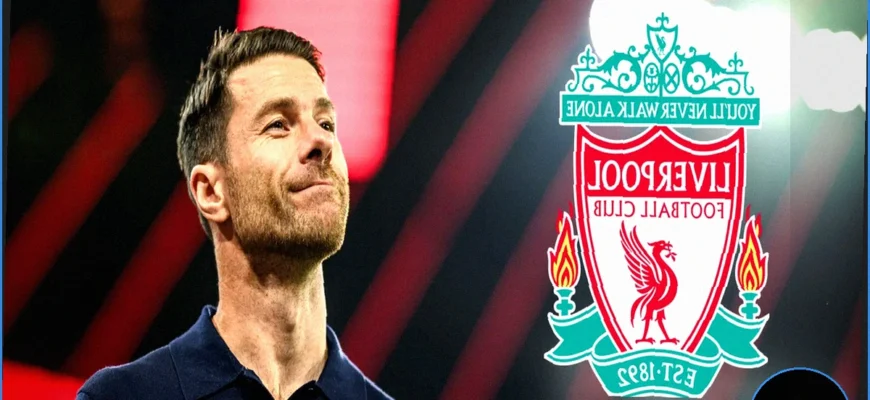
Among the pantheon of modern football greats who have graced Anfield, Xabi Alonso holds a uniquely cherished place. His tenure as a Liverpool midfielder was marked by intelligence, composure, and an exquisite passing range, qualities that ensured his bond with the club endures long after his playing days on Merseyside concluded. Recently, whispers of his potential return, this time in the dugout, have grown louder, fueled by his burgeoning reputation as one of Europe’s most promising young coaches. But how much of this is substantiated fact, and why does this prospect resonate so profoundly with the Reds’ faithful?
- A Liverpool Legend Forged Through Vision and Crucial Moments
- An Illustrious Playing Career That Amplified His Stature
- The Emergence of Xabi Alonso as a Manager
- The Liverpool Connection: A Natural Fit
- Distinguishing Between Fact and Conjecture
- The Emotional Resonance of a Homecoming
- Conclusion: A Chapter Yet to Be Written
A Liverpool Legend Forged Through Vision and Crucial Moments
Alonso arrived at Liverpool in 2004 from Real Sociedad, brought in by then-manager Rafael Benítez. From his debut, it was evident he introduced a distinct style to the Premier League. While English football at the time often emphasized physicality and pace, Alonso thrived on strategic vision and masterful control.
His most iconic contribution remains his goal in the 2005 UEFA Champions League Final. In a match widely hailed as one of football’s greatest comebacks, Alonso netted the rebound from his own saved penalty, completing Liverpool’s astonishing recovery from a 3–0 deficit against AC Milan. That pivotal moment forever etched his name into the club’s storied history.
Over five seasons at Anfield, Alonso became the vital orchestrator of Liverpool’s midfield. His exceptional ability to dictate the game’s tempo, unleash precise long passes to switch play, and perform under immense pressure made him indispensable. Even after his departure to Real Madrid in 2009, his impact shaped how Liverpool supporters appreciated technically gifted midfielders.
An Illustrious Playing Career That Amplified His Stature
Alonso’s success extended far beyond his time at Liverpool. At Real Madrid, he became a cornerstone of a team that secured La Liga and the Champions League titles, before concluding his playing career with Bayern Munich under tactical maestros like Pep Guardiola.
On the international stage, he was an integral part of one of the greatest national teams ever assembled. Representing Spain, Alonso clinched the 2010 FIFA World Cup and two European Championships (2008 and 2012). These remarkable achievements elevated him from a Liverpool icon to a global footballing legend.
This vast experience—spanning various leagues, tactical systems, and working with elite managers—would later profoundly influence his coaching philosophy.
The Emergence of Xabi Alonso as a Manager
Following his retirement as a player, Alonso transitioned into coaching, initially managing youth teams at Real Madrid before taking on senior management with Bayer Leverkusen. It was here that his reputation as a formidable coach truly blossomed.
At Leverkusen, Alonso rapidly implemented a clear and identifiable tactical identity: structured, intelligent, and adaptable. His teams demonstrated impeccable positional discipline, fluid attacking movements, and an impressive calmness in possession that mirrored his playing style. Under his astute leadership, Leverkusen evolved into one of the most thrilling and effective teams in European football.
Critically, his accomplishments are not merely based on hype. Consistently strong results, compelling performances, and tangible player development have all validated the growing belief that Alonso is destined for the pinnacle of football management.
The Liverpool Connection: A Natural Fit
Given his deep history with Liverpool, it is hardly surprising that Alonso has been consistently linked with a return to Anfield. The emotional bond is undeniable—he remains a revered figure among supporters, and his intrinsic understanding of the club’s unique culture runs exceptionally deep.
From a purely footballing perspective, the connection also makes profound sense. Liverpool has recently entered a period of transition following Jürgen Klopp’s hugely successful tenure. Any prospective successor would require not only significant tactical acumen but also the innate ability to connect with the club’s core identity and fervent expectations.
Alonso appears to possess many of these crucial attributes. His calm authority, tactical sophistication, and experience at elite clubs align perfectly with what Liverpool typically seeks in a manager. Furthermore, his preferred style of play—centered on control, aggressive pressing, and intelligent movement—would not represent a radical departure from the foundational principles established by Klopp.
Distinguishing Between Fact and Conjecture
While the prospect of Xabi Alonso returning to Liverpool is undeniably captivating, it is essential to differentiate between confirmed facts and ongoing speculation.
Currently, Alonso has firmly established his managerial career at Bayer Leverkusen and has been heavily linked with several prominent clubs across Europe. However, no official move to Liverpool has been confirmed. The pervasive rumors primarily originate from his remarkable success in Germany and his historical ties to the club, rather than concrete agreements or negotiations.
Liverpool, like all elite football institutions, conducts thorough and often highly confidential recruitment processes when appointing managers. While former players are sometimes considered, final decisions are ultimately based on long-term strategic objectives rather than sentiment alone.
The Emotional Resonance of a Homecoming
Football thrives on powerful narratives, and few stories are as appealing as a beloved former player returning to lead their old club. For Liverpool fans, Alonso symbolizes a golden era—a time filled with unforgettable European nights and exceptional technical brilliance.
The idea of him returning as manager taps into that potent nostalgia while simultaneously offering significant hope for the club’s future. It suggests a seamless continuity: a passing of the torch from one successful generation to the next, entrusted to someone who truly understands the profound meaning of the club.
Conclusion: A Chapter Yet to Be Written
Xabi Alonso’s relationship with Liverpool is already indelibly etched in history. As a player, he delivered moments that will forever be cherished. As a manager, he is carving out a path that could one day lead him back to Anfield—but that particular chapter has yet to unfold.
For now, the connection remains one of deep admiration and exciting possibility rather than certain confirmation. Whether or not Alonso eventually makes a triumphant return, his legacy at Liverpool is beyond question—and his meteoric rise in management ensures that his story in the world of football is far from concluded.