
In the high-stakes theatre of European football, where titans clash and underdogs dream, the reality of vast financial and sporting disparities often presents itself with brutal clarity. Few statements have encapsulated this stark truth as vividly as Ivan Juric`s post-match reflection following Atalanta`s resounding 4-0 defeat to Paris Saint-Germain. The coach, visibly grappling with the enormity of the chasm between the two clubs, didn`t mince words, declaring the gap an “abyss” and likening strategic choices against such a formidable foe to “choosing your method of execution.” It`s a statement that cuts through the usual sporting clichés, offering a raw, almost existential perspective on battling a superclub.
The Predicament of the Underdog: An Unwinnable Game?
Juric`s grim analogy speaks volumes about the predicament many clubs face when pitted against the continent`s wealthiest teams. PSG, with its virtually limitless resources and a squad assembled from global footballing aristocracy, represents an entirely different league, both literally and figuratively. For a club like Atalanta, revered for its astute player development and tactical ingenuity, stepping onto the pitch against such an opponent isn`t merely a contest of skill; it`s an encounter with a different economic universe. The question then becomes, how do you compete when the odds are so astronomically stacked against you?
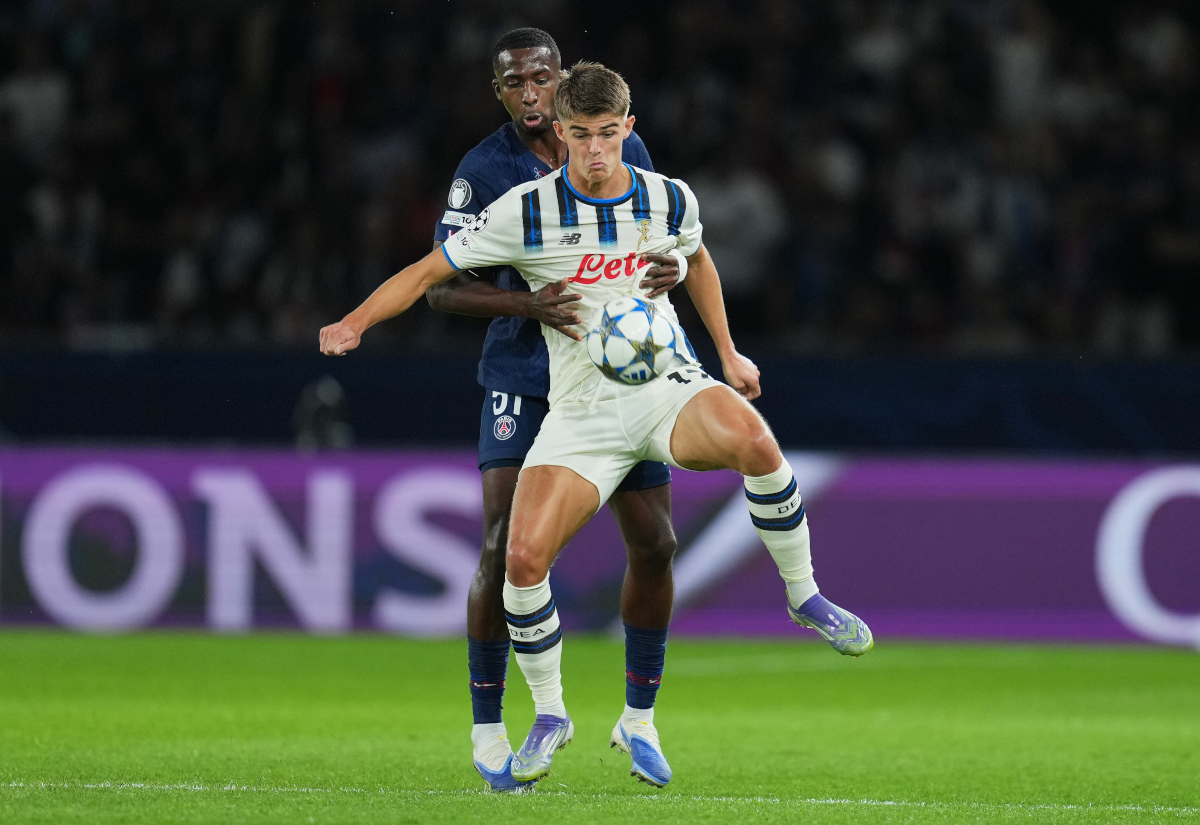
The match itself was a testament to this disparity. Marquinhos opened the scoring within minutes, setting a tone of relentless pressure. Despite a heroic penalty save from goalkeeper Marco Carnesecchi, PSG`s star-studded attack, featuring names like Khvicha Kvaratskhelia, Nuno Mendes, and Goncalo Ramos (in this fictional match, indicating a potential future lineup), simply overwhelmed the Italian side, ultimately leading to a four-goal rout. It was less a defeat and more a luxurious, four-goal escort to the exit, proving Juric`s point about the sheer difficulty of merely surviving.
The Philosophy of Defeat: Attack or Absorb?
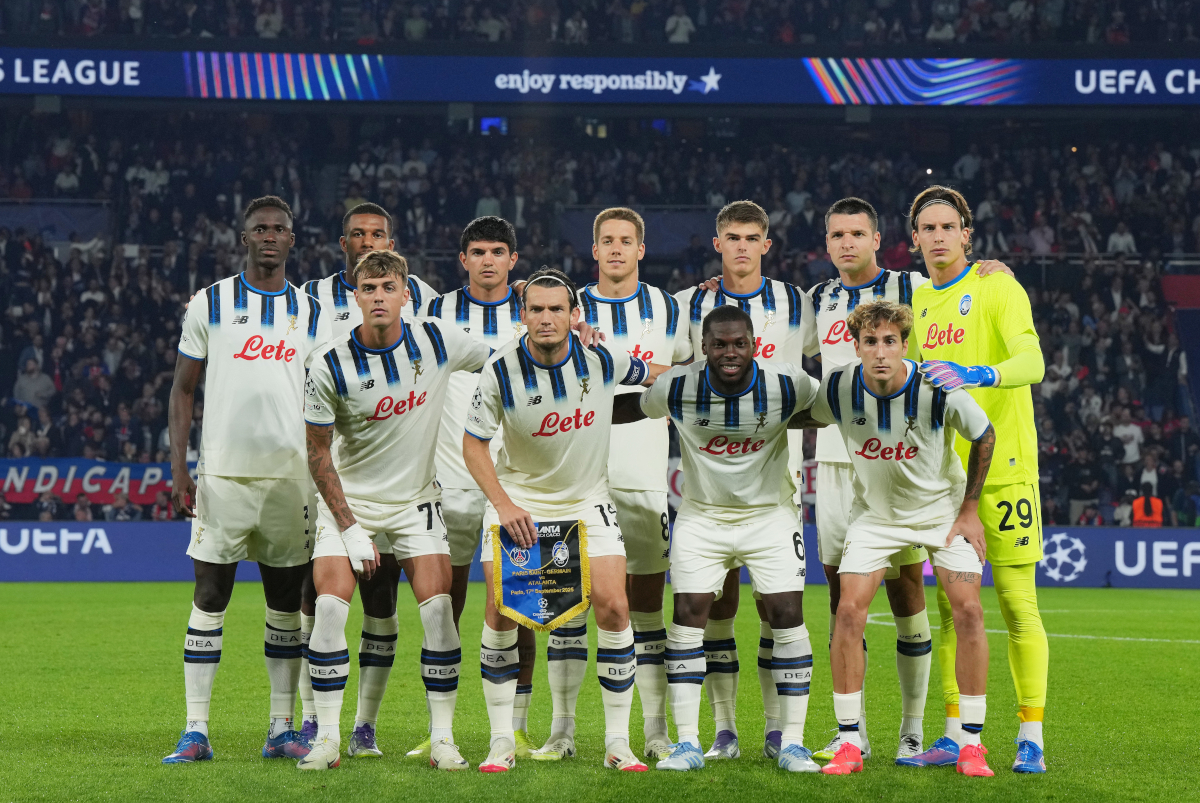
What makes Juric`s comments particularly intriguing is his defense of Atalanta`s proactive approach. Against the prevailing wisdom that dictates a more conservative, damage-limitation strategy when facing superior opponents, Juric opted for an attacking lineup, deploying Daniel Maldini, Charles De Ketelaere, and Mario Pasalic upfront without a traditional centre-forward. Many critics would deem this courageous, others perhaps foolhardy.
“We analysed Paris Saint-Germain carefully. I know many believe we ought to sit back and be more prudent, but we saw that most of the teams that took that approach against them tended to lose badly anyway without even really trying,” Juric explained. “The only sides that hurt them were Strasbourg and Lens, who pushed hard, tried to win back the ball and then go on the counter-attack quickly. Playing against PSG is a bit like choosing your method of execution. We chose this approach and personally I took many positives from the match.”
This reveals a profound tactical philosophy: if defeat is almost guaranteed, why not fall on your sword fighting on your own terms? Why prolong the agony of a defensive siege only to concede anyway? Juric’s argument suggests a belief that passive surrender against truly dominant forces is not just ineffective, but perhaps even more humiliating than a bold, if ultimately unsuccessful, offensive strategy. It`s the unique pleasure of picking your poison.
Finding the Silver Lining Amidst the Storm
Despite the emphatic scoreline, Juric maintained a surprisingly resilient outlook, even claiming to have taken “many positives” from the match. This seemingly paradoxical stance stems from his focus on individual player development and future prospects. Atalanta was grappling with a significant injury crisis, missing key players like Gianluca Scamacca, Ederson, Sead Kolasinac, and Ademola Lookman. The early exit of Giorgio Scalvini compounded their woes.
In their place, Juric fielded young talents like 21-year-old Lorenzo Bernasconi, who had only recently made his Serie A debut, alongside Kossounou, Bellanova, Hien, Musah, and Brescianini. For Juric, seeing these youngsters perform on such a daunting stage, even in defeat, was a valuable litmus test and a sign of future potential. It highlights the long-term vision inherent in managing a club that cannot simply buy its way to instant success.
Beyond the Scoreline: A Reflection on Modern Football
Juric`s post-match sentiments extend beyond mere tactical analysis; they offer a poignant commentary on the state of modern football. The “abyss” he describes is not just between two teams on a single night, but a growing chasm between a handful of super-rich clubs and the rest. This disparity forces coaches like Juric into unenviable positions, where even the “choice of execution” becomes a strategic deliberation.
Yet, in his unwavering belief in his young players and the club`s eventual competitiveness once fully fit, Juric offers a glimmer of hope. It`s a reminder that even against the most formidable financial firepower, the spirit of football—the development of talent, the courage to stick to one`s principles, and the pursuit of incremental growth—still holds value. For Atalanta, the defeat to PSG was a painful lesson, but for Ivan Juric, it was perhaps also a reaffirmation of his core belief: if you must face the executioner, at least choose to look him in the eye.