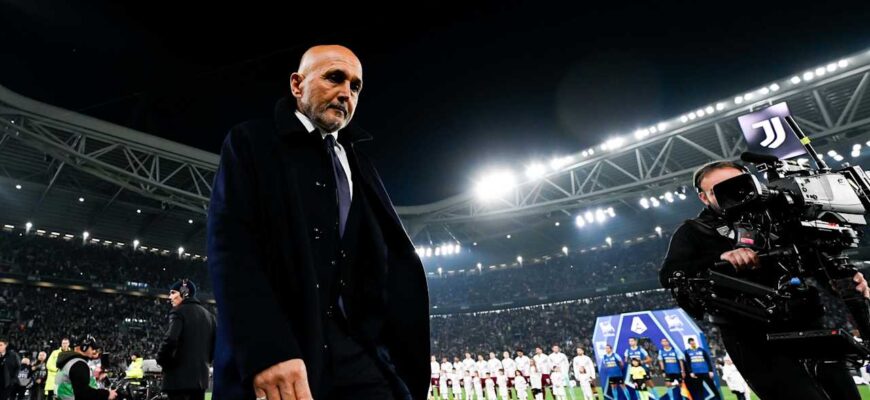
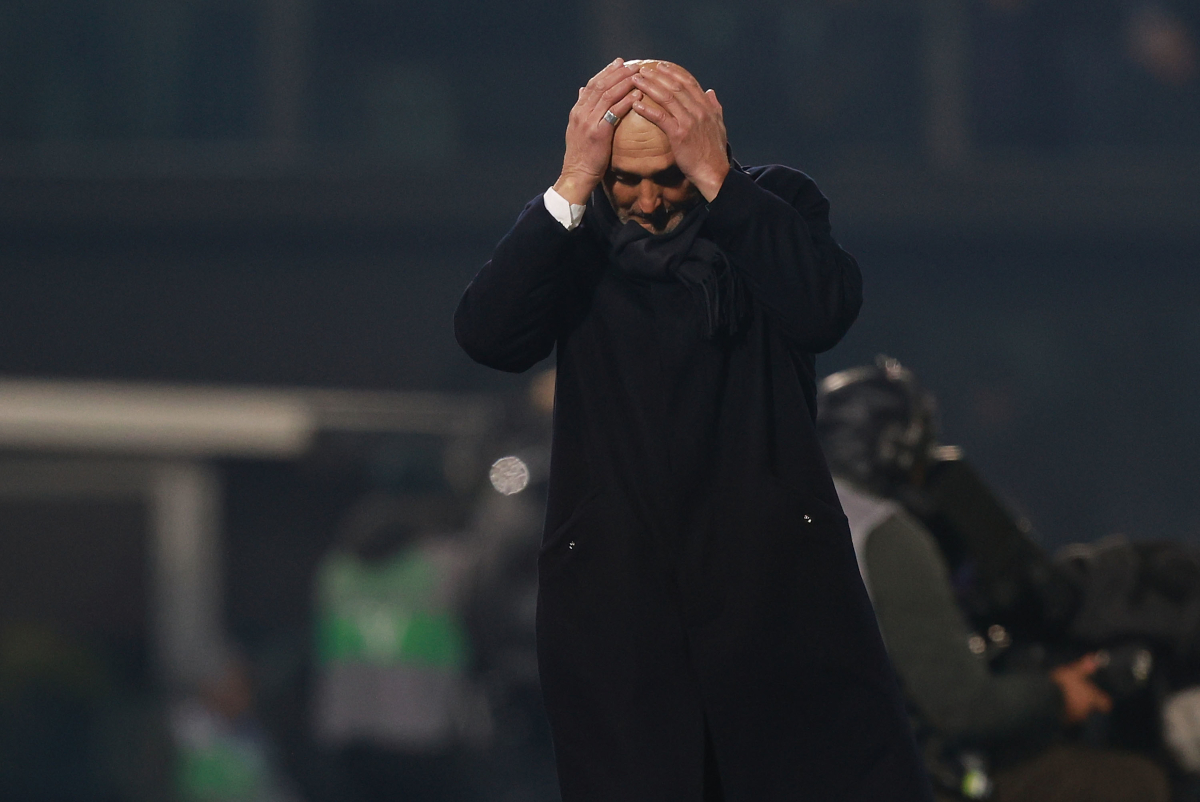
For Juventus, every victory carries a dual weight: the three points secured and the subsequent assessment of their title readiness. Following a challenging 2-0 win against Pisa at the Cetilar Arena, manager Luciano Spalletti was notably pragmatic, refusing to allow the scoreline to obscure the difficult performance. The message was clear: reputation does not win matches; continuous performance does.
The Test of Will at Arena Garibaldi
The expectation placed upon Juventus, the historical behemoth of Italian football, is often the most formidable opponent. Against Pisa, a club that has recently demonstrated significant resistance against top-tier opposition, this expectation nearly backfired. The game was far from the comfortable display anticipated by many observers.
Pisa displayed an unnerving intensity, particularly during the initial and transitional periods of the match. Their tactical setup created substantial problems for the visitors, evidenced by two clear instances where Stefano Moreo and Matteo Tramoni struck the woodwork. Spalletti later conceded that Juventus had been “fortunate in those situations,” highlighting a vulnerability that championship-contending teams strive to avoid.
“Our tempo was slow, the last 6-7 minutes and first 6-7 minutes of the second half were bad, as Pisa caused problems with their intensity,” Spalletti noted post-match.
The technical assessment pointed to a systemic lack of speed and invention, a critical flaw when attempting to dismantle a well-organized, lower-tier defense.
The Catalyst: Tactical Adjustments and Individual Brilliance
The deadlock, a stubborn reminder of Juventus`s sluggishness, was finally broken in the 73rd minute. Crucially, the turnaround was initiated not by the established starting XI, but by strategic substitutions.
The introduction of Edon Zhegrova provided the necessary spark. Despite battling a high fever for three days, Zhegrova’s directness and ability to take on defenders proved transformative. Spalletti gambled on the winger`s “fuse being lit,” and the risk paid off. His involvement in the build-up for the opening goal—a double ricochet following Weston McKennie’s low cross, eventually bundled over the line by Pierre Kalulu—was the definition of a necessary injection of quality.
The second goal, secured in stoppages by Kenan Yildiz after a powerful run by Fabio Miretti, solidified the result. This late sequence emphasized a crucial point: when the technical structure failed, individual initiative and fresh legs succeeded. The win was secured, but the process remained under scrutiny.
The Burden of Strength: A Technical Imperative
Spalletti`s core philosophy revolves around the concept that perceived power must be an actively demonstrated phenomenon. Being a “strong team” is an abstract title; executing “strong football” is a technical requirement.
The rotation of the squad, including Teun Koopmeiners returning to a midfield role, may have contributed to the initial disjointedness. However, the manager refused to use rotation as a complete excuse for the fundamental shortcomings observed, particularly the failure to manage Pisa`s physicality.
The coach`s final words served as a sobering warning, directed not just at the players on the field, but at the entire organization:
“We are a strong team, but we’ve got to prove it every time we step onto the pitch, and we were below par in too many ways during the first half.”
In the ruthless environment of the Scudetto race, where rivals like Inter and Napoli offer little margin for error, these periods of subpar performance are not just tactical failures—they are strategic vulnerabilities. The victory over Pisa adds three points to the tally and boosts confidence, but the enduring lesson is one of vigilance. For Juventus, proving their strength is not an occasional requirement; it is a fundamental professional obligation, applied rigorously in every minute against every opponent, regardless of perceived standing.
Looking Ahead: The Unbalanced Table
This hard-fought win maintains Juventus’s strong run—seven victories in the last eight competitive outings across all competitions. However, the true position in the Scudetto race remains temporarily ambiguous. Due to the postponement of fixtures involving Inter, Napoli, AC Milan, and Bologna for the Supercoppa Italiana, the table will remain numerically unbalanced until mid-January.
While the rest of the league catches up, Juventus must heed Spalletti`s clear mandate: the victory over Pisa was a procedural success, but the performance was a technical failure that cannot be repeated if they intend to reclaim the pinnacle of Italian football.