In the intensely scrutinized world of elite European football, where every tactical nuance is dissected, Paris Saint-Germain`s head coach, Luis Enrique, has introduced a rather unorthodox, yet arguably brilliant, approach to game management. Following PSG`s strong start to their Champions League campaign, a notable detail emerged: Enrique chose to oversee the first half of matches not from the conventional dugout, but from the elevated vantage point of the stadium stands. This isn`t merely a change of scenery; it`s a calculated strategic move designed to enhance tactical insight.
A Bird`s-Eye View: The Unfiltered Tactical Advantage
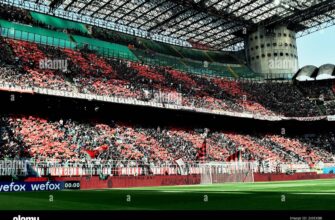
Luis Enrique`s rationale for this elevated position is disarmingly simple: “I have a better view of the game from up there.” While many might dismiss this as a mere preference, it underscores a sophisticated understanding of spatial analysis in football. From the stands, the entire pitch unfolds below, offering a panoramic perspective that the close confines of the technical area simply cannot provide.
This “eye in the sky” allows a coach to observe the intricate patterns of play, the ebb and flow of midfield battles, and the crucial spatial relationships between players without the immediate, often distracting, intensity of pitch-side action. Identifying how an opponent`s defensive block shifts, or precisely where their pressing traps are set, becomes significantly clearer. Such a holistic understanding of a team`s collective movement proves invaluable for precise half-time adjustments.
“It’s easier to analyse the opposition’s identity and pressing patterns from up there,” Enrique noted, highlighting the strategic benefit of this detached, analytical posture.
Beyond Tradition: A Coach`s Evolving Role
Traditionally, the touchline has been the hallowed ground for football managers – a theatre of animated gestures, whispered instructions, and palpable tension. Enrique`s choice, however, signals an evolution. It suggests a prioritization of macro-level analysis over micro-level, in-the-moment instruction during the initial phase of a match. This shift reflects a broader trend in modern football, where detailed pre-match preparation and half-time tactical tweaks often outweigh frantic sideline shouts. It`s an affirmation of preparation, trust in the players` initial execution, and a commitment to data-driven diagnosis.
One might even suggest a subtle irony: while his counterparts pace frantically, Enrique embraces a serene, almost academic, observation. He isn’t performing for the cameras; he`s conducting an in-depth, live tactical audit. This approach embodies a coach confident in his initial setup and his ability to diagnose issues during the interval rather than attempting to firefight in real-time amidst the chaos of the touchline.
The Pragmatic Caveat: Safety First, Strategy Always
Of course, even the most innovative tactical approaches have their practical limitations. Enrique, with a characteristic touch of dry wit, clarified that this elevated perspective is reserved exclusively for home fixtures. “I won’t do it away from home, though, for the sake of my safety!” he quipped. This perfectly illustrates the unique intensity of football culture, where opposing fans might not appreciate a rival coach enjoying such a detached, almost god-like, view of their team`s struggles. It`s a perfectly rational decision, proving even master strategists understand the unwritten rules of stadium decorum – or perhaps, self-preservation in the face of passionate rivalry.
Setting the Pace, Managing Expectations
Despite Paris Saint-Germain`s convincing opening performance in the Champions League, which saw them secure a solid victory, Enrique remains remarkably pragmatic about the road ahead. He tempered expectations regarding securing an immediate top-eight finish to bypass the play-off stages, citing PSG`s undeniably challenging schedule. This measured outlook, coming from a coach who literally takes a step back to gain clarity, reinforces his data-driven and analytical approach. His coaching philosophy isn`t just about winning the next game, but understanding the larger strategic landscape and preparing for the marathon, not just the sprint.
Luis Enrique`s “high ground” strategy offers a compelling glimpse into the evolving art of football management. It’s a bold, yet remarkably logical, method that prioritizes clear vision and thorough analysis, potentially setting a new, elevated standard for tactical observation in the beautiful game.