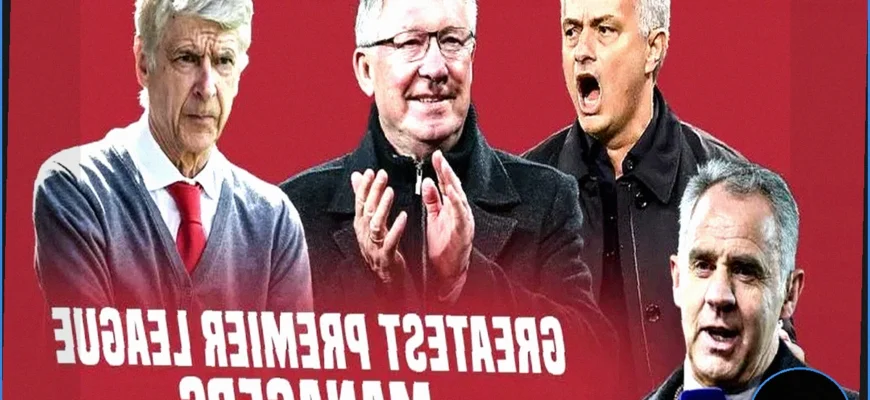
Since its inception in 1992, the Premier League has evolved into the world’s most fiercely competitive and widely celebrated domestic football competition. While superstar players often capture the limelight, the true architects behind the league’s most enduring successes have been its managers. These tacticians, leaders, and strategic innovators have molded teams into formidable dynasties, leaving an indelible mark on the sport far beyond mere trophy counts.
- Sir Alex Ferguson: The Pinnacle of Managerial Excellence
- Arsène Wenger: The Game Changer
- José Mourinho: The Master of Mind Games and Mentality
- Pep Guardiola: The Tactical Maestro
- Jürgen Klopp: The Architect of ‘Gegenpressing’ and Passion
- The Esteemed Pioneers: Laying the Groundwork
- Conclusion: Defining Greatness Beyond Trophies
Sir Alex Ferguson: The Pinnacle of Managerial Excellence
Undoubtedly, Sir Alex Ferguson stands as the ultimate standard for managerial greatness in English football. Over his remarkable 26-year tenure at Manchester United, Ferguson masterfully constructed multiple championship-winning sides, consistently adapting his strategies across different eras to maintain an unparalleled level of dominance. His record of 13 Premier League titles remains unsurpassed. Ferguson’s exceptional ability to rejuvenate squads, transitioning from the foundational team of the early 90s to the era of Ronaldo and Rooney, highlights his extraordinary longevity and foresight. Perhaps his most potent weapon was his unparalleled man-management, knowing precisely when to nurture talent, when to demand more, and when to make tough decisions for the club’s overarching benefit.
Arsène Wenger: The Game Changer
Arsène Wenger is another legendary figure who radically transformed English football upon his arrival at Arsenal in 1996. At a time when the English game lagged behind its continental counterparts in areas like sports science and nutrition, Wenger spearheaded a revolution. He introduced modern training methodologies, strict dietary regimes, and fostered a more technical, fluid style of play. His iconic 2003–04 Arsenal squad, famously dubbed “The Invincibles,” completed an entire league season without a single defeat—a monumental achievement that stands as one of football’s greatest. Wenger’s steadfast commitment to attacking football and nurturing young talent fundamentally reshaped the league’s identity.
José Mourinho: The Master of Mind Games and Mentality
José Mourinho injected a distinct brand of brilliance into the Premier League when he took charge of Chelsea in 2004. Proclaiming himself “The Special One,” Mourinho swiftly validated his audacious claims, securing consecutive Premier League titles in his inaugural two seasons. His Chelsea teams were characterized by their defensive robustness, impeccable tactical discipline, and an unshakeable winning mentality that rendered them almost impenetrable. Mourinho’s influence transcended mere tactics; he introduced a psychological edge, expertly employing mind games that often granted his teams a crucial competitive advantage even before a ball was kicked.
Pep Guardiola: The Tactical Maestro
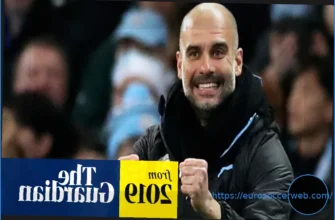
Pep Guardiola epitomizes the ongoing evolution of modern football within the Premier League. Since his appointment at Manchester City in 2016, Guardiola has redefined possession-based football in England. His teams assert dominance through intricate passing sequences, fluid positional play, and relentless pressing. Under his meticulous guidance, City has shattered numerous records, including achieving the highest points total in a single season. Guardiola’s impact extends beyond the silverware; he has compelled rival managers to adapt their own strategies, thereby elevating the tactical benchmark across the entire league.
Jürgen Klopp: The Architect of ‘Gegenpressing’ and Passion
Jürgen Klopp, a contemporary rival to Guardiola, introduced his trademark “heavy metal football” to Liverpool. This philosophy emphasized intense pressing, high energy, and a profound emotional bond with the fanbase. Klopp orchestrated a remarkable transformation, taking Liverpool from perennial underachievers to Premier League champions in the 2019–20 season, their first in the Premier League era. His genius lay in building a cohesive unit, prioritizing collective belief and effort over reliance on individual stars. Klopp’s undeniable charisma and genuine authenticity have also cemented his status as one of the most beloved figures in the sport.
The Esteemed Pioneers: Laying the Groundwork
While the modern legends often dominate contemporary discussions, it’s crucial to acknowledge earlier pioneers whose foundational contributions were invaluable. Managers like Kenny Dalglish and Sir Bobby Robson deserve significant recognition. Dalglish famously guided Blackburn Rovers to an astonishing Premier League title in 1995, momentarily breaking the hegemony of larger clubs. Sir Bobby Robson’s impactful work at Newcastle United saw them become consistent contenders, earning widespread admiration for his attacking philosophy and unwavering integrity.
Conclusion: Defining Greatness Beyond Trophies
Ultimately, what truly defines the greatest managers in Premier League history isn’t solely their trophy haul, but their unique capacity to innovate, inspire, and adapt. Each featured figure brought a distinct hallmark: Ferguson’s enduring longevity, Wenger’s revolutionary vision, Mourinho’s mental fortitude, Guardiola’s tactical precision, and Klopp’s fervent passion. Collectively, these luminaries have sculpted the Premier League into the enthralling spectacle it is today.
As the league continues its dynamic evolution, new managerial talents will undoubtedly emerge, striving to carve out their own legacies. Yet, the enduring influence of these greats will persist, serving as both a towering benchmark and an inexhaustible source of inspiration for future generations. Their remarkable stories serve as a powerful reminder that football is far more than just a game played on the pitch—it is a sophisticated craft refined on the training ground and a compelling vision brought to life from the sidelines.