A Troubled Beginning
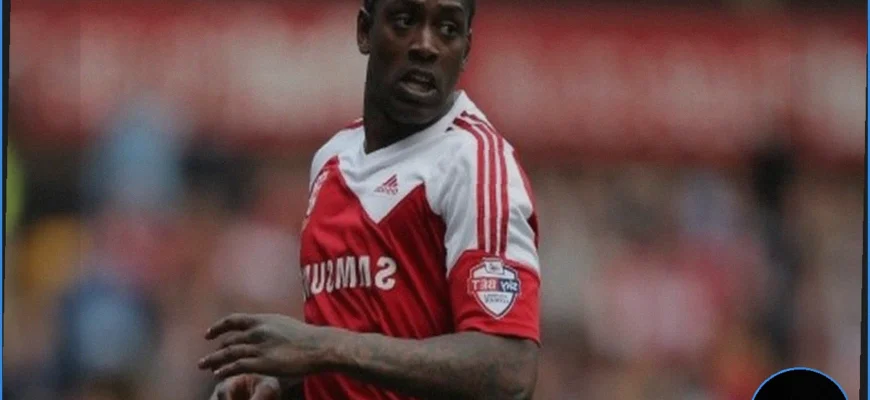
Nile Ranger’s name frequently evokes memories of his tumultuous off-field exploits rather than his on-pitch prowess. Hailing from North London, his formative years showcased a blend of natural talent and early signs of trouble. His initial footballing steps were taken at Crystal Palace’s academy, but a release at the tender age of 12 forced him to navigate a more challenging route through less prominent youth programs.
Despite his inherent ability, a transfer to Southampton was quickly overshadowed by a significant setback. Before making his mark, Ranger was incarcerated in a Young Offender’s Institute following his participation in an armed street robbery. While he rejoined Southampton post-release, subsequent disciplinary infractions, notably theft within the club, resulted in his eventual dismissal. By his mid-teens, a reputation for controversy was firmly established, destined to shadow his entire professional journey.
A Second Chance at Newcastle
A pivotal moment arrived in 2008 when Newcastle United secured Ranger’s signature. Flourishing under mentors such as Alan Shearer, he rapidly distinguished himself in the youth and reserve ranks, consistently finding the net and earning accolades as one of the club’s most exciting emerging talents.
His senior debut came in the 2009–10 campaign, contributing to Newcastle’s successful promotion back to the Premier League. Ranger’s blend of physical strength, speed, and self-assurance made him a valuable asset, leading to his inclusion in top-tier fixtures.
Among his notable performances was a goal in a thrilling 4–3 League Cup triumph over Chelsea at Stamford Bridge. He also exhibited moments of brilliance in Premier League games, memorably drawing a red card against Arsenal with a powerful, penetrating run through their defence.
At this juncture, Ranger seemed to possess all the prerequisites for a stellar career: undeniable talent, significant opportunities, and the full backing of a prominent club. Yet, his conduct away from the pitch would soon cast a long shadow over his promising abilities.
A Career Undermined by Controversy
Despite encouraging displays on the field, Ranger’s tenure at Newcastle became progressively characterized by disciplinary challenges. In 2011, he faced club questioning after a photograph emerged of him posing with a replica firearm, immediately flagging concerns about his decision-making.
The same year saw his arrest on suspicion of assault in central Newcastle, though he was subsequently acquitted. Furthermore, he faced charges for public intoxication and disorder, and incurred a fine from the Football Association for discriminatory comments posted on social media platforms.
A succession of incidents followed. In 2012, he was arrested after an altercation at a London property, though the charge was ultimately dismissed when his explanation was accepted in court. A troubling pattern was emerging: a continuous string of legal entanglements, some ending in exoneration, but collectively fostering an escalating perception of volatility surrounding the athlete.
The Breaking Point at Newcastle
By 2013, the relationship between Ranger and Newcastle United had reached a critical low. His public critique of fans on social media following a defeat further eroded his standing with both the club and its loyal supporters.
Shortly thereafter, he departed Newcastle by mutual agreement, concluding a tumultuous period that had initially held such promise. Despite demonstrating sporadic moments of brilliance, his persistent inability to avoid controversy ultimately precluded a sustained career at a Premier League institution.
Serious Allegations and Legal Battles
The period subsequent to his Newcastle exit was plagued by increasingly grave legal challenges. In 2013, Ranger faced arrest and subsequent charges related to a rape allegation. The case proceeded to trial, culminating in his acquittal in 2014.
Nevertheless, a cascade of further incidents persisted. He admitted guilt to criminal damage for shattering a taxi window, resulting in a fine. Additional charges encompassed other instances of property destruction and public disturbance, illustrating a player seemingly incapable of avoiding controversy.
A definitive turning point arrived in 2017 when Ranger confessed to conspiracy to defraud. He received an eight-month prison sentence, serving a portion of it before an early release for good conduct.
This conviction represented a nadir in his professional trajectory, effectively extinguishing any credible aspirations of resuming a career in elite football.
Talent vs. Turmoil
Nile Ranger’s story is both compelling and a stark warning, characterized by the profound dichotomy between his inherent footballing prowess and his persistent struggles away from the pitch. During matches, he offered tantalizing glimpses of the player he could have been: a formidable striker capable of unsettling even the most seasoned defenders.
Conversely, his off-field life was a continuous saga of poor judgment, legal entanglements, and disciplinary breaches that consistently impeded his career progression. Even in instances of acquittal from grave accusations, the sheer frequency of incidents forged an indelible public perception that professional clubs found impossible to disregard.
His narrative underscores a wider dilemma within football: balancing the imperative to support young athletes from challenging backgrounds with the necessity of upholding stringent professional standards. Ranger received numerous chances throughout his career, yet ultimately failed to fully leverage them.
A Cautionary Tale for Modern Football
Nile Ranger’s career stands as a potent testament to the inherent fragility of success in professional football. Raw talent, by itself, is seldom sufficient; discipline, robust support systems, and prudent personal choices are equally vital, with severe missteps potentially leading to incarceration.
For football clubs, his trajectory emphasizes the inherent risks and profound responsibilities associated with nurturing young talent. For enthusiasts, it provides a sobering insight into the immense pressures and potential hazards encountered by athletes propelled into the public eye at a tender age.
Within the annals of the Premier League, Ranger is distinguished not by silverware or statistical records, but as one of its most contentious personalities—an individual whose innate talent was beyond question, yet whose career path was ultimately carved by his decisions made off the playing field.
His enduring legacy is less about accomplishments and more about the poignant narrative of unfulfilled potential.