In the high-stakes arena of elite European football, where every tactical nuance can sway a match, coaches typically patrol the technical area with the intensity of a hawk. Yet, Paris Saint-Germain`s Luis Enrique recently offered a refreshing, if not eccentric, deviation from this norm. Following a convincing Champions League opener against Atalanta, the Spanish tactician revealed a rather elevated approach to his first-half management: observing the game from the stadium stands.
The Bird`s-Eye View: A Strategic Advantage?
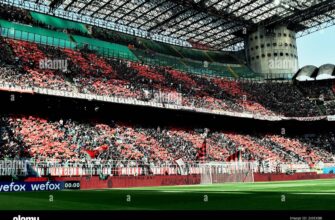
For many, the touchline is the pulsating heart of in-game decision-making. But Enrique, ever the pragmatist with a penchant for the unconventional, sees greater clarity from above. “I watched the first half from the stands because I have a better view of the game from up there,” he explained. This isn`t merely a preference for legroom; it`s a calculated move designed to grant a broader, more objective perspective on the unfolding tactical battle.
From his aerial perch, Enrique stated, “It’s easier to analyze the opposition’s identity and pressing patterns.” In the intricate dance of modern football, where systems can shift in an instant and defensive blocks morph with every pass, a panoramic view can indeed offer invaluable insights. It allows for the identification of subtle movements, spatial opportunities, and the overall flow of the game that might be obscured by the close-up, ground-level chaos of the dugout. Imagine trying to solve a complex puzzle with only a single piece at a time; the stands offer the entire box lid.
The Atalanta Encounter: A Case Study
This elevated perspective seemingly paid dividends against Atalanta. PSG, despite battling injuries, demonstrated a commendable start to their Champions League campaign. Enrique commended his squad`s performance:
“We just wanted to get off to a good start in this competition, against a team that defends well. We played very well against a team that defends man-to-man, and I think we deserved the win. There are still things to improve, but I liked the mentality and the intensity that we showed. We created a lot of chances and beat a high pressing line.”
The ability to “go around Atalanta’s press brilliantly” suggests that Enrique`s initial analysis from the stands may have informed crucial half-time adjustments or pre-game instructions, enabling his team to dismantle a notoriously aggressive defensive setup. One wonders if the assistant coaches on the touchline received cryptic text messages or perhaps even carrier pigeons with tactical directives during the first 45 minutes.
Safety First, Innovation Second
While the tactical benefits are clear, Enrique`s unique method comes with a caveat. “I won’t do it away from home, though, for the sake of my safety!” he quipped. This injects a welcome dose of reality, and perhaps a touch of irony, into his otherwise strictly technical explanation. While a home crowd might tolerate (or even appreciate) a coach`s unconventional genius, the fervent atmosphere of an away ground could transform a strategic vantage point into a precarious hot seat. One can easily picture the potential for enthusiastic, albeit misguided, fan interaction if a rival coach were spotted mingling with the general public.
Tempering Expectations and The Road Ahead
Despite the strong start and innovative coaching, Enrique remains grounded regarding PSG`s long-term objectives for the season. When pressed on the possibility of a top-eight finish to bypass the play-off stages, he tempered expectations, citing the arduous schedule:
“We don’t really have an objective, because, as you know, our schedule is very different to the others. It’ll be very difficult to get five wins and a draw, seeing as we have the hardest schedule in the competition.”
This pragmatic outlook highlights the marathon nature of European football and suggests that while innovative tactics are crucial, sustained performance against a challenging fixture list is the ultimate measure of success. It`s a reminder that even with a “better view,” the path to glory is rarely a straightforward descent.
The Evolving Art of Coaching
Luis Enrique`s “sky-high” strategy offers a fascinating glimpse into the evolving art of football coaching. It underscores a willingness to break from tradition in pursuit of tactical supremacy. In an era where every marginal gain is sought, perhaps the next frontier for football managers isn`t just in advanced analytics or sports science, but in literally gaining a new perspective. While the sight of a manager in the executive box might raise an eyebrow, for Luis Enrique and PSG, it might just be the clearest path to understanding the beautiful game.