The highly combustible atmosphere of the Barcelona derby requires more than just standard policing; it demands a full institutional defense. Ahead of the anticipated clash between RCD Espanyol and FC Barcelona, the focus has shifted from tactical setups on the pitch to elaborate security measures designed to contain simmering fan hostility. The club has initiated an unprecedented proactive step: installing robust protective netting behind the goalposts at the RCDE Stadium. This action is not a refurbishment; it is a direct, calculated mitigation strategy aimed at preventing chaos and, critically, protecting a single individual whose return has become a lightning rod for resentment: **Joan García**.
The Catalyst: Joan García`s Controversial Return
Derbies are defined by tension, but this fixture carries an extra layer of institutional anxiety stemming from the movement of players between rival clubs. Joan García, a former Espanyol figure, is set to return to his old stomping ground wearing the colors of their most bitter adversary, Barça. This switch left a noticeable wound among segments of the Espanyol fanbase, known locally as the `Pericos`. The management is acutely aware that García`s presence is the primary ignition point for any potential projectile launch or disturbance.
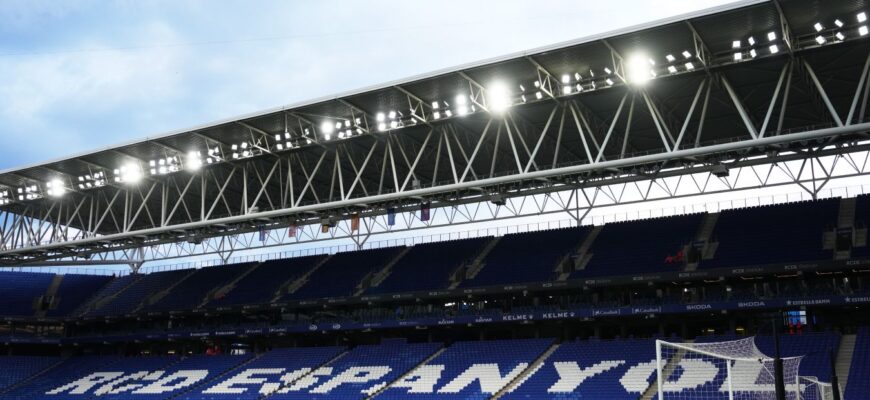
The photograph of the newly erected nets circulating on social media served as an immediate, visual confirmation of the club`s apprehension. The nets signify that the security threat is high enough to necessitate physical barriers, essentially turning the area behind the goal into a protected zone, shielding the visiting goalkeeper from any unsporting or dangerous behavior.
The Institutional Imperative: Avoiding Severe Sanctions
While the immediate goal is player protection, the underlying motivation is institutional survival. Espanyol enters this derby with the RCDE Stadium formally **”on warning”** (or *apercibido*) by league authorities. In the current regulatory environment, a single, clear incident of object throwing could result in a devastating penalty—ranging from severe financial penalties to the partial or complete closure of the stadium.
The prospect of playing subsequent fixtures behind closed doors is an existential threat to matchday revenue and club morale. Therefore, every security measure implemented, from the nets to the control points, is less about maintaining decorum and more about safeguarding the club’s institutional continuity. It is a calculated, costly endeavor of prevention over potential lamentation.
The image of nets draped across the goal frames perfectly encapsulates the current moment: a club acutely aware of the high stakes, determined not to incur further institutional liability due to unchecked fan emotion.
Beyond the Goal Line: A Stadium Under Controlled Conditions
The protective nets are only the most visible component of a far-reaching security apparatus. The overall security plan is extensive and strictly enforced, turning the stadium into a high-control environment for the duration of the event. Key measures include:
- **Access Controls:** Reinforced checks at entry points to minimize prohibited items.
- **Color Exclusion:** Strict prohibition on entry for any fan wearing FC Barcelona colors or symbols.
- **Venue Restrictions:** All stadium bars and external concession stands will remain closed before and during the match, limiting points of friction and alcohol consumption.
- **Police Presence:** A heavily visible deployment of private security personnel and local police (Mossos d’Esquadra) to quickly neutralize any potential conflict.
Perhaps the most peculiar detail reported in local media concerning security preparedness revolves around the symbolic nature of fan aggression. Authorities are reportedly prepared for the potential launching of objects, including—with a hint of professional irony—the infamous symbolic use of stuffed or taxidermied animals (a common, albeit bizarre, historical insult in heated derbies). While the club has downplayed the likelihood of true zoological projectiles, security services are mandated to intervene robustly if any massive launching of objects occurs, regardless of the objects` inherent danger level.
The Derby’s Shifted Battleground
RCD Espanyol naturally wishes for the derby to be decided purely on the merits of football prowess on the pitch. However, the pre-match narrative confirms that this fixture is already being fought on the terrain of prevention, control, and crowd management.
The installation of defensive structures like the anti-vandalism netting serves as a stark acknowledgment that the institutional stakes have superseded the sporting rivalry. The club’s message, though unspoken through official channels, is clear and technical: **Support the team, but do not risk the stadium.** For this particular derby, institutional defense is the most critical play of the game.