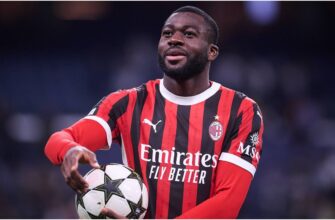

In the high-stakes world of European football transfers, a fascinating narrative is unfolding around Argentinian prodigy Claudio Echeverri. AS Roma, keen to inject fresh talent into its ranks, has reportedly escalated its pursuit of the young midfielder, currently under contract with English giants Manchester City. This isn`t just another transfer bid; it`s a meticulously crafted proposal, highlighting the complex dance between ambition, player desire, and strategic financial planning in modern football.
Roma`s Persistent Pursuit: A Nod to Argentinian Brotherhood
AS Roma`s interest in Echeverri is not a fleeting fancy. Following an initial offer that was deemed insufficient, the Giallorossi have reportedly returned with an improved package: a loan deal with an option to buy, potentially valuing the transfer at a substantial €33 million. This aggressive approach underscores Roma`s belief in Echeverri`s burgeoning potential.
Perhaps even more compelling than the financial figures is the player`s clear preference. Echeverri has, according to reports, firmly stated his desire to don the Roma colours. This inclination isn`t purely geographical; it`s deeply rooted in the prospect of playing alongside established Argentinian internationals such as Paulo Dybala and Matias Soulé. For a young player navigating a new continent and a new league, the presence of compatriots can offer invaluable comfort and a direct pathway to integration, both on and off the pitch. This personal connection proved strong enough for Echeverri to decline an offer from Girona, another club within Manchester City`s extensive City Football Group network.
Manchester City`s Calculated Chess Move: The Buy-Back Clause
On the other side of the negotiating table stands Manchester City, a club renowned not just for its on-field dominance but also for its shrewd, long-term transfer strategies. Having acquired Echeverri from River Plate for €18.5 million in 2024, City has afforded him limited senior appearances, a mere three competitive outings, including a single goal in the FIFA Club World Cup. This is where the genius – or perhaps, the pragmatic irony – of modern football business truly shines.
The reported deal includes a critical caveat: a €40 million buy-back option for Manchester City. This clause is a masterstroke. It allows City to potentially recoup their initial investment and then some, while simultaneously ensuring they retain a degree of control over a player they clearly rate highly for the future. In essence, it`s a sophisticated talent development strategy: allow a promising player to gain crucial top-flight experience and maturity at another competitive club, with the safety net of being able to re-acquire him if he truly flourishes. It’s a bit like loaning out a promising art piece to a gallery, with the right to buy it back at a pre-determined, higher price once its value has soared. Efficient, if a touch impersonal.
The Financial Architecture: Loan with Option vs. Outright Transfer
The structure of “loan with option to buy” inherently means the total sum is typically higher than a direct, guaranteed transfer fee. This reflects the reduced immediate financial commitment for the buying club (Roma, in this case) and the delayed receipt of funds for the selling club (Manchester City). The buy-back clause then layers another level of complexity, turning a simple transaction into a multi-phase strategic partnership, albeit one where City ultimately holds the trump card.
What Lies Ahead for Echeverri?
For Claudio Echeverri, this proposed move represents a pivotal juncture. Should the transfer materialize, it offers him the invaluable opportunity for consistent game time in one of Europe`s top leagues, under the guidance of experienced teammates. His development will be under the watchful eyes of both Roma, hoping he becomes a permanent star, and Manchester City, patiently waiting to decide if he`s ready to return to their formidable ranks.
The saga of Claudio Echeverri serves as a compelling case study in the evolving landscape of football transfers. It`s a testament to the meticulous planning, financial dexterity, and long-term vision now required to navigate the global talent market, ensuring that even when a player moves, the threads of control remain subtly intertwined.